For an ordinary personal-use purchase arriving by international courier, the current headline customs burden is 30.98% of CIF value: 10% Basic Customs Duty (BCD), Social Welfare Surcharge (SWS) equal to 10% of that BCD, and 18% IGST on CIF plus BCD plus SWS. Mumbai Customs publishes that exact courier calculation. It is a useful planning number, not a promise that every product can enter India: restricted or prohibited goods still need the relevant permission, and some goods are classified outside heading 9804.
Start with the right value and formula
Customs normally starts with the assessable value, commonly the CIF value: cost, insurance and freight. For goods taxed through their own tariff line, the cascade is:
Assessable value (AV) = CIF
BCD  = applicable BCD rate × AV
SWS  = 10% × BCD, unless exempted
IGST = applicable IGST rate × (AV + BCD + SWS)
Total import tax = BCD + SWS + IGST + any applicable cess
A hypothetical item with 7.5% BCD and 18% IGST therefore carries about 27.7% of CIF before handling charges. Do not apply that example to a product until you have checked its current eight-digit tariff classification and any country-of-origin preference.
Personal courier imports: 30.98%, with limits
Mumbai Customs states that personal imports involving a monetary transaction are classified under heading 9804 and, where the concession applies, bear:
CIF                         ₹X
BCD: 10%                    0.10X
SWS: 10% of BCD             0.01X
IGST: 18% of 1.11X          0.1998X
Total                       0.3098X = 30.98% of CIF
This route is for an individual's personal use, not trade, manufacture or agriculture. Motor vehicles, alcoholic beverages, tobacco products, printed books, and articles imported under an import licence or customs-clearance permit are among the exclusions from heading 9804 and must be classified under their own headings. Prohibited goods do not become importable merely because a courier accepts the parcel.
Authorised couriers file the applicable Courier Bill of Entry under the Courier Imports and Exports (Electronic Declaration and Processing) Regulations, 2010. Courier or custodian clearance charges may be added to customs duty.
Commercial imports use the product's own tariff line
A business import is not automatically taxed at 30.98%. The importer normally uses an IEC, files a formal Bill of Entry, and pays the BCD, SWS, IGST and any cess attached to the product's own classification. A GST-registered business may be able to claim eligible import IGST as input tax credit; that is a tax-accounting question, not a reduction at customs.
Before ordering:
- Get the supplier's proposed eight-digit tariff code and a precise product description.
- Check the code in the ICEGATE Customs Duty Calculator.
- Check whether the product is free, restricted or prohibited under DGFT policy.
- Check any separate product approval, including WPC or BIS requirements.
- Budget freight, insurance, courier/broker charges and possible storage, not only duty.
Marking a parcel as a gift does not create an exemption
The former ₹5,000 gift exemption is no longer available. Chennai Customs' official FAQ cites DGFT Notification 35/2015-2020 and CBIC Circular 4/2020-Customs: gifts through post or courier are prohibited except for life-saving medicines and Rakhi, while a genuine gift may be cleared on payment of full applicable duty.
There is an important 2026 date issue. Older customs examples show genuine gifts at 41.6% (20% BCD and 18% IGST). The Finance Act, 2026 changed the tariff rate for every item under heading 9804 to 10% from 1 April 2026, and Notification 03/2026-Customs applies SWS to all heading-9804 goods from the same date. With 18% IGST, that statutory combination produces 30.98% for an ordinary dutiable heading-9804 gift. Some current customs web pages still display the pre-April 41.6% example, so obtain the courier's written assessment if a real gift is being sent. In every case, falsely labelling a purchase as a gift is not a duty-saving method.
Complete drones are prohibited imports
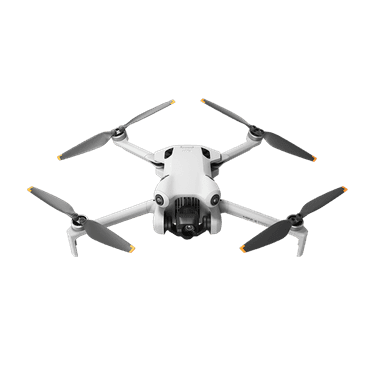
DGFT Notification 54/2015-20 prohibits imports of drones in CBU, SKD and CKD form. Imports for specified R&D, defence and security purposes require DGFT authorisation; drone components remain in the free category. The notification does not create a personal-courier or baggage exception. Components may be importable, but an aircraft assembled from them still has to satisfy the operating, type-certification and registration rules.
For a DJI Mini 4 Pro or another complete foreign drone, do not treat a courier quote or a green-channel suggestion as legal clearance advice.
Specified IT hardware under heading 8471
DGFT Notification 38/2023 sets policy conditions for specified laptops, tablets, all-in-one personal computers, ultra-small-form-factor computers and servers. Its exemptions include one unit per consignment, including an e-commerce purchase sent by post or courier, subject to duty; baggage imports are also exempt from import authorisation, and limited R&D quantities have a separate exemption.
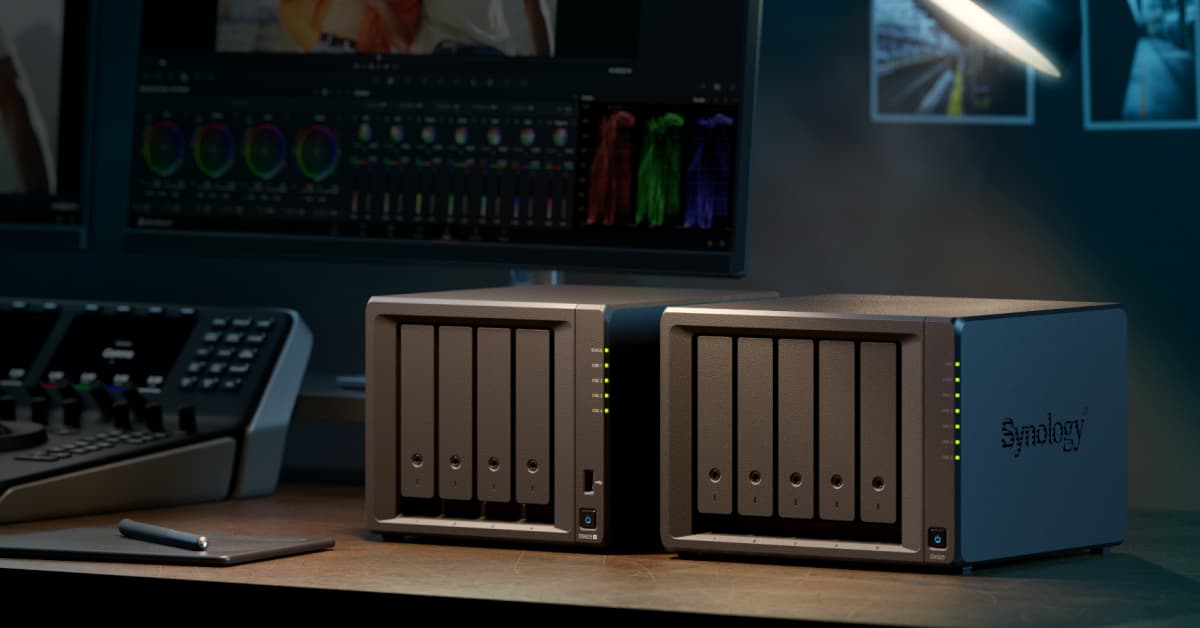
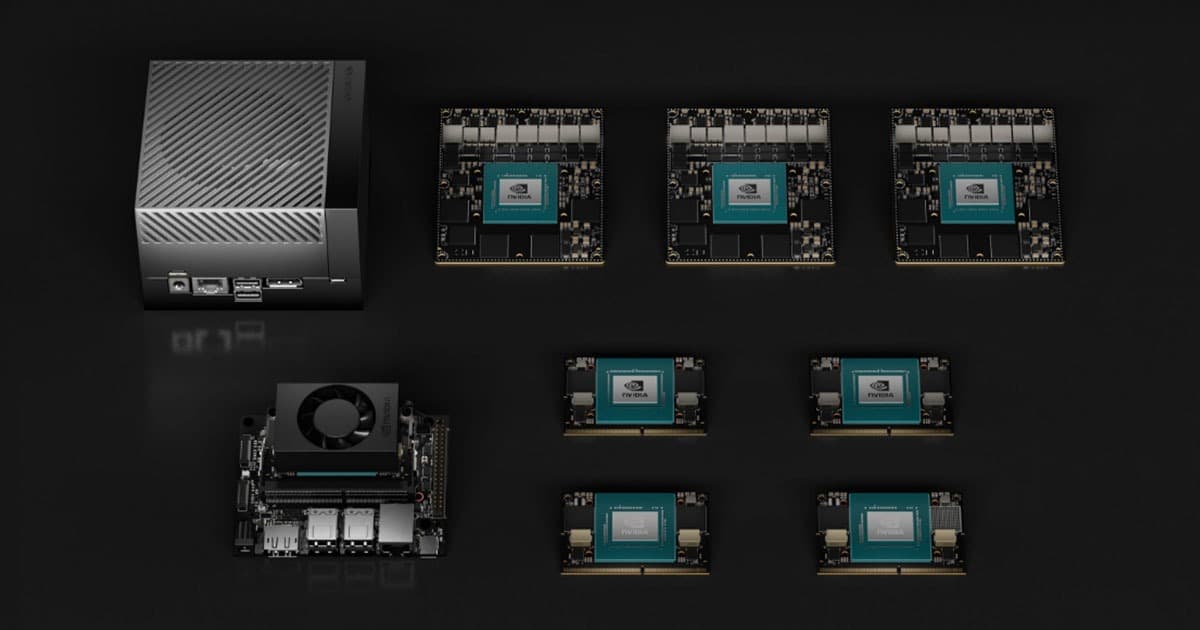
Those are authorisation exemptions, not duty exemptions. They also do not prove that every board, mini PC or NAS shares the same classification. For an ASUS NUC 14 Essential, Raspberry Pi 5, NVIDIA Jetson Orin Nano Developer Kit, or Synology DiskStation DS925+, confirm the exact tariff line and current DGFT policy before shipment. This guide does not rely on an unsupported claim about the calendar-2026 commercial Import Management System.
Wireless products and WPC-ETA
The DoT's 2019 office memorandum allowed ETA by self-declaration for listed finished products operating only in licence-exempt bands and otherwise free under DGFT policy. The application path changed in 2026: the official DoT eServices page now tells applicants seeking new authorisations or registrations under the Telecommunications Act, 2023 to use its authorisation portal from 25 June 2026. Therefore, do not rely on an old Saral Sanchar screenshot or a fixed historic fee. Ask the importer for the approval or undertaking applicable to the exact radio module and verify the current process on DoT eServices.
Baggage Rules 2026
The Baggage Rules, 2026 replaced the 2016 rules from 2 February 2026. For arrivals other than by land, the general allowance is ₹75,000 for an Indian resident, a tourist of Indian origin, or a foreigner with a valid non-tourist visa, and ₹25,000 for a tourist of foreign origin. Land arrivals receive no general-value allowance. A passenger aged 18 or above may bring one new laptop, including a notepad, duty-free. Allowances cannot be pooled.
Customs duty applies to the dutiable value above the allowance. CBIC's Budget 2025 explanatory notes set the effective baggage rate at 35% BCD with nil SWS from 2 February 2025. Special goods and restricted or prohibited imports are governed separately; the allowance does not legalise a complete drone.
Worked planning examples
- ₹25,000 CIF personal courier purchase: ₹25,000 × 30.98% = ₹7,745 customs duty; planning landed value ₹32,745 before courier or storage charges.
- ₹10,000 ordinary heading-9804 gift after 1 April 2026: the statutory 10% BCD + 10%-of-BCD SWS + 18% IGST cascade is ₹3,098. Because some customs pages still show the older 41.6% illustration, confirm the assessment before dispatch.
- Formal cargo on a verified 7.5% BCD / 18% IGST line: about 27.7% of CIF, before brokerage and other charges. The example is not a classification ruling.
When buying locally wins
For a quick comparison, multiply foreign CIF by 1.3098, then add courier or broker charges, possible storage, regulatory work, currency conversion and warranty risk. Compare that total with the Indian GST-invoice price. There is no universal break-even premium: the product's classification and after-sales risk matter more than a single percentage.
Checked 27 July 2026 against official CBIC/customs, DGFT, DoT and Gazette sources. Customs classification is fact-specific; verify the live tariff and import policy before paying.
Frequently asked questions
How much customs duty applies to a personal tech order sent to India by courier?
For an ordinary personal-use import involving payment and eligible for heading 9804 treatment, Mumbai Customs currently publishes a total of 30.98% of CIF: 10% BCD, SWS equal to 10% of BCD, and 18% IGST on CIF plus BCD and SWS. Excluded, restricted or prohibited goods are treated differently, and courier handling charges are extra.
Does marking an overseas order as a gift avoid Indian customs duty?
No. The old ₹5,000 exemption is gone, and falsely gift-marking a purchase does not make it duty-free. Finance Act 2026 reduced heading-9804 BCD to 10% from 1 April 2026 and SWS now applies, producing 30.98% with 18% IGST for an ordinary dutiable gift; however, some customs pages still show the older 41.6% example, so confirm a genuine gift assessment in writing.
Can I import a complete DJI drone by courier or in my luggage?
Not under the ordinary personal-import routes. DGFT Notification 54/2015-20 prohibits complete drones in CBU, SKD and CKD form. Narrow R&D, defence and security imports require DGFT authorisation; components remain free, but the completed aircraft still faces operating and registration rules.
Can I import one laptop or mini PC for personal use?
DGFT Notification 38/2023 provides an import-authorisation exemption for one specified restricted IT-hardware unit per consignment, including e-commerce orders by post or courier, subject to duty. Exact product classification still matters, so confirm the tariff line and current DGFT policy before shipment.
What is the baggage allowance for technology bought abroad?
Under the Baggage Rules 2026, eligible Indian residents and specified other non-tourist arrivals by air or sea receive a ₹75,000 general allowance; foreign tourists receive ₹25,000; land arrivals receive no general-value allowance. Passengers aged 18 or above may also bring one new laptop duty-free. The effective general baggage duty above the allowance is 35% BCD with nil SWS, subject to special-product rules.