A low price does not tell you whether an imported-tech seller is trustworthy. Paperwork does. Before paying for a 3D printer, AI edge computer, robot or drone, verify the Indian legal entity, the seller of record, the import path, product-specific approvals, and exactly who will honour the warranty.
The five-minute identity check
Ask for the legal entity name, GSTIN, registered address and the name that will appear on the invoice. Use the free Search Taxpayer service on gst.gov.in to confirm that the GST registration is active and that the state and legal name match. A brand name, Instagram handle or marketplace storefront is not a legal identity.
Then compare four places:
- website footer and terms;
- bank-account or payment-gateway beneficiary;
- GST invoice or pro-forma invoice;
- returns and warranty page.
Small spelling differences are normal; a different person, state or entity without explanation is not.
Understand the clearance route
For stock already imported by an Indian business, ask who was the importer of record and request reasonable provenance evidence: a redacted Bill of Entry, Courier Bill of Entry reference, or written confirmation tying the shipment to the seller. Commercially sensitive values may be hidden, but the importer name, product description and clearance reference should be explainable.
For a parcel shipped directly from overseas, establish in writing:
- who is the importer of record;
- whether the quote is DDP or whether duty is collected at delivery;
- which tariff code and product description will be declared;
- who handles a customs query, return or re-export;
- whether you will receive the customs assessment or Courier Bill of Entry reference.
Authorised couriers clear shipments under CBIC's Courier Imports and Exports Regulations. A personal-use purchase involving payment is currently shown by Mumbai Customs at 30.98% of CIF when heading 9804 applies. A business import uses the product's own tariff classification and may have a different rate. Use the ICEGATE Customs Duty Calculator; do not accept a seller's percentage without a tariff code.
Never cooperate with undervaluation or false descriptions
Requests such as “declare it as a $40 sample,” “mark it gift,” or “write electronics parts instead” transfer risk to the shipment and often to the named importer. The former ₹5,000 gift exemption is gone. Ask the seller to declare the real transaction value and an accurate product description.
A legitimate discount is possible. What needs explanation is a delivered price below foreign CIF plus plausible tax and logistics. Clearance documents, authorised-distributor terms, older inventory and genuine promotions are explanations; a promise that customs “will not check” is not.
Drones require a separate provenance test
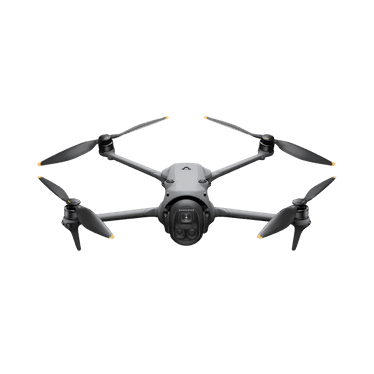
DGFT Notification 54/2015-20 prohibits imports of complete drones in CBU, SKD and CKD form. Specified R&D, defence and security imports require DGFT authorisation, while components remain free. Therefore, a seller offering a complete foreign drone acquired after the February 2022 prohibition should be able to explain the lawful basis and provide the relevant authorisation or provenance. Do not infer that a GST invoice alone cured the import issue.
Operation is a second gate. The Drone Rules require registration and a UIN unless an exemption applies, and DGCA currently states that registration of non-type-certified UAS is temporarily suspended until further notice. DGCA's 12 August 2025 notice also initiated cancellation proceedings where Form D-2 contained false declarations, specifically requesting invoices, DGFT permission and weight evidence. For any drone, ask for its type-certificate details, UIN status, serial-number trail and written operating limitations before buying.
Domestic supply of unmanned aircraft is in the 5% IGST schedule under Notification 09/2025-Integrated Tax (Rate). That GST rate does not change the DGFT import prohibition or DGCA operating requirements.
WPC: check the exact radio configuration
Wi-Fi, Bluetooth and other radio functions can trigger WPC requirements. The DoT's 2019 office memorandum permits ETA by self-declaration for specified finished products operating in licence-exempt bands and otherwise free under DGFT policy. Ask for the ETA or import undertaking that covers the exact model or radio module, not a certificate for a vaguely similar product.
The filing path changed in 2026. The official DoT eServices page directs applicants for new authorisations or registrations under the Telecommunications Act, 2023 to its authorisation portal from 25 June 2026. Treat old Saral Sanchar instructions and historic fee screenshots as potentially stale.
BIS: verify the supplied adapter, cells and battery
BIS Scheme II lists covered electronics, including power adapters for IT equipment and power banks under IS 13252 (Part 1), and sealed secondary cells and batteries for portable applications under IS 16046. Coverage depends on the exact product and component supplied. Ask for the BIS registration number shown on the label, then verify the number and model scope on the BIS portal. A registration belonging to another adapter or battery is not enough.
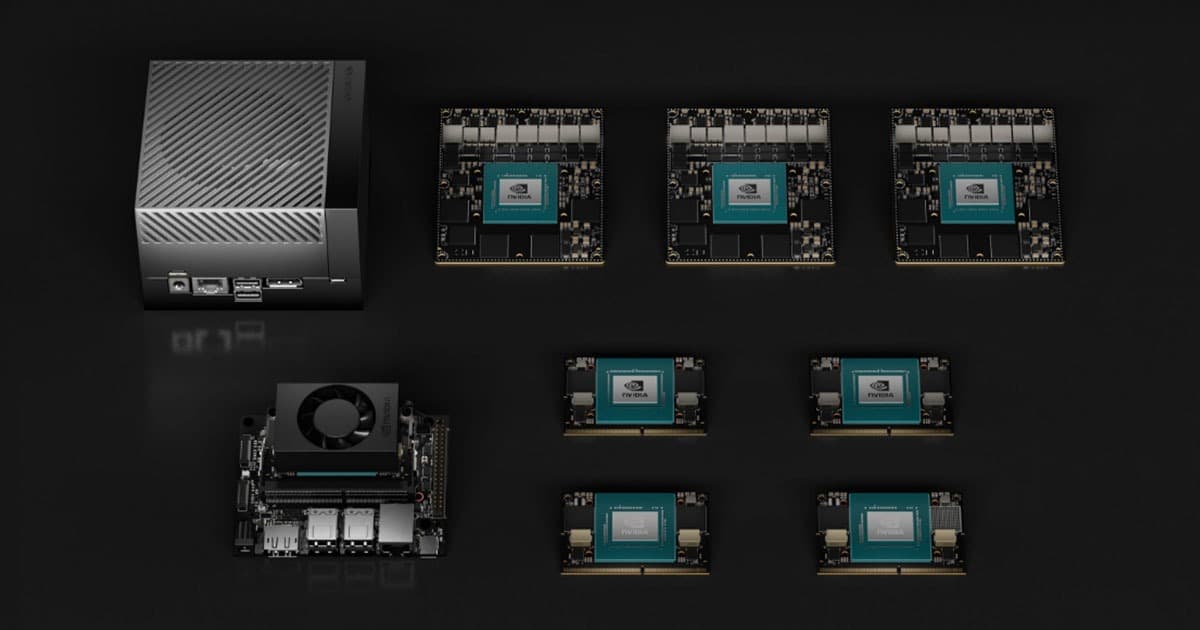
For products such as a Bambu Lab X1 Carbon, NVIDIA Jetson Orin Nano Developer Kit, or Unitree Go2, inspect the power supply, charger and battery paperwork separately from the main product.
Warranty questions that expose weak sellers
Ask for written answers before payment:
- Is the warranty from the manufacturer, an authorised Indian distributor, or the seller?
- Which legal entity receives a claim?
- Who pays shipping in both directions?
- Are parts stocked in India, and which failures are excluded?
- What happens if the product is dead on arrival?
- Is repair the only remedy, or is replacement or refund available?
- Does opening or installing the product affect coverage?
“Seller warranty” can be useful, but it is not manufacturer warranty. Check how long the seller has existed, whether the repair address is real, and whether the written policy matches the sales pitch.
Red flags
- payment to a personal account when an Indian company claims to be the seller;
- no GSTIN or a GSTIN that belongs to another entity;
- refusal to identify the importer or clearance route;
- undervaluation, gift-marking or a false product description;
- a complete post-2022 foreign drone with no DGFT-authorisation explanation;
- WPC or BIS paperwork for a different model;
- “official warranty” with no named service entity or written terms;
- urgency tactics that prevent document checks.
Green flags
- active GST registration matching the invoice and payment recipient;
- a physical address and support channel that can be independently checked;
- an accurate SKU-level quotation, HSN code and tax breakup;
- a redacted import document or traceable clearance reference where appropriate;
- model-specific WPC and BIS evidence where required;
- clear returns, dead-on-arrival and warranty terms;
- willingness to put compliance answers in writing.
How to read fron.in status labels
An Official listing should mean a brand-run or brand-controlled sales channel. A Verified reseller status should mean the basic business identity, address, policies and product pages have been checked; it is not a guarantee for every transaction or a substitute for product-specific compliance. Marketplace protection can reduce payment risk, but you still need to check the seller of record. Treat an unverified directory entry as a lead, not an endorsement.
The practical rule is simple: verify the entity, verify the shipment, verify the exact model's approvals, and verify the written remedy if it fails.
Checked 27 July 2026 against official CBIC/customs, DGFT, DGCA, DoT, BIS and GST sources.
Frequently asked questions
What should I ask an Indian imported-tech seller before paying?
Ask for the legal entity and GSTIN, seller-of-record name, importer and clearance route, tariff code, model-specific WPC/BIS evidence where applicable, and written return and warranty terms. For imported stock, request a reasonable provenance record such as a redacted Bill of Entry or Courier Bill of Entry reference.
How do I check a seller's GSTIN?
Use Search Taxpayer on gst.gov.in and confirm that the registration is active and that its legal name and state match the invoice and payment recipient. A GSTIN proves registration, not product authenticity or lawful import, so complete the other checks too.
What does “customs paid” need to include?
It should have an identifiable importer of record and a traceable clearance document or reference. Ask whether the shipment cleared on a formal Bill of Entry or Courier Bill of Entry, which tariff description was used, and whether duty is included in the quoted delivered price.
Can a seller lawfully offer a newly imported DJI drone in India?
Complete drones have been prohibited imports since DGFT Notification 54/2015-20, apart from narrow authorised categories. A seller claiming lawful post-ban import should provide the DGFT-authorisation basis and provenance. Separately, DGCA currently suspends registration of non-type-certified UAS, so check type certificate and UIN status before purchase.
Which products need WPC or BIS documents?
Radio equipment can require WPC approval, while BIS Scheme II covers specified electronics and components such as IT power adapters, power banks and portable sealed cells or batteries. Coverage is model-specific. Verify the exact certificate or registration scope, and use current DoT instructions because its application path changed in June 2026.