Buying or owning a drone and being allowed to import, register and fly it are separate questions. In India, the Drone Rules, 2021 govern operation; DGFT policy governs importability; and current DGCA service notices determine which registration workflows are actually open. Check all three before paying.
The operating framework
The Drone Rules, 2021 classify unmanned aircraft by maximum all-up weight, including payload. The rules apply to persons owning, possessing, leasing, operating, transferring or maintaining an unmanned aircraft system in India, subject to their stated scope and exemptions.
| Class | Maximum all-up weight | Type certificate | UIN before operation | Remote-pilot credential | Third-party insurance |
|---|---|---|---|---|---|
| Nano | ≤250 g | Exempt | Required unless another rule exemption applies | Exempt | Exempt |
| Micro | >250 g to 2 kg | Normally required | Required | Exempt only for non-commercial operation | Required |
| Small | >2 kg to 25 kg | Normally required | Required | Required | Required |
| Medium | >25 kg to 150 kg | Normally required | Required | Required | Required |
| Large | >150 kg | Normally required | Required | Required | Required |
The rule text also exempts model remotely piloted aircraft systems from type certification, but that category is not a shortcut for misdescribing an imported camera drone. DGCA's August 2025 enforcement notice specifically identifies false model-RPAS declarations.
What the nano exemption does—and does not do
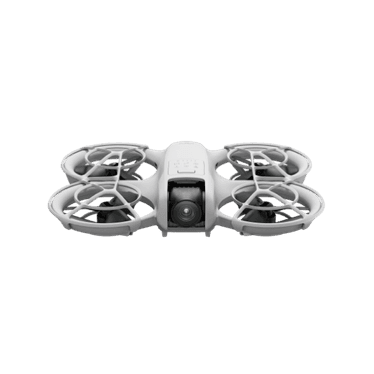
A nano aircraft is exempt from type certification, the remote-pilot credential and third-party insurance under the Drone Rules. It is not generally exempt from Rule 14's UIN requirement, and it is not exempt from green, yellow or red airspace restrictions. Adding a heavier battery, guards or payload can also move a nominal 249 g product into the micro class because classification uses maximum all-up weight including payload.
The import prohibition is weight-neutral. A sub-250 g foreign drone does not gain a personal-import exemption merely because it is nano.
Registration moved to eGCA
DGCA's 3 July 2025 public notice moved Forms D-1 to D-5 from Digital Sky to eGCA. It scheduled fresh type-certificate applications from 4 July 2025 and UIN issuance, transfer or deregistration and fresh remote-pilot-certificate generation from 15 July 2025. Digital Sky continues to provide the airspace map.
There is a current operational constraint: DGCA's drone-services page states that registration of non-type-certified UAS is temporarily suspended until further notice. This matters even when a drone is exempt from type certification under the Rules: a type-certificate exemption does not itself remove Rule 14's UIN requirement. Before buying any unregistered aircraft, confirm that its exact registration path is open on eGCA rather than relying on a seller's old Digital Sky screenshot.
The statutory application fee for UIN issuance, transfer or deregistration is ₹100. Training, testing, documentation and professional-service charges are separate.
Remote-pilot requirements
The 2021 Gazette uses the term remote pilot licence; DGCA's current service notice refers to fresh Remote Pilot Certificate (RPC) generation. In practical buyer language:
- nano operation is exempt;
- non-commercial micro operation is exempt;
- commercial micro operation and operation of small, medium or large aircraft require the credential.
The Rules set eligibility at ages 18 to 65, Class 10 education and training through an authorised remote-pilot training organisation. The statutory issuance fee is ₹100 and the Gazette sets a ten-year licence term; RPTO training fees are separate. Check the current DGCA list before paying a training provider.
Airspace still applies to small drones
The Rules divide airspace into green, yellow and red zones:
- Green zone: generally up to 400 ft (120 m) where the area is not red or yellow, and up to 200 ft (60 m) in the 8–12 km belt from an operational airport's perimeter. Prior permission is not required under Rule 22, but every other applicable rule still applies.
- Yellow zone: controlled airspace above the green limits and specified airport areas. Permission from the relevant air-traffic-control authority is required.
- Red zone: operation requires Central Government permission.
An officer of superintendent-of-police rank or above may declare a temporary red zone for up to 96 hours in urgent circumstances. Zones can change, so check the official Digital Sky airspace map before each flight and check local temporary restrictions.
Complete foreign drones are prohibited imports
DGFT Notification 54/2015-20, dated 9 February 2022, classifies drones in CBU, SKD and CKD form as Prohibited imports. Specified government, recognised education or R&D, manufacturer R&D, defence and security imports require DGFT authorisation. Components remain in the free category.
The notification contains no ordinary personal-courier or baggage exemption. Therefore, a seller of a post-ban foreign complete drone should be able to document the lawful import-authorisation basis or establish older provenance. A GST invoice is useful evidence of the domestic sale, but it does not by itself prove that the earlier import complied with DGFT policy.
DGCA's false-declaration proceedings
On 12 August 2025, DGCA initiated proceedings to suspend or cancel registrations obtained through false Form D-2 declarations. The notice specifically mentions foreign UAS imported without DGFT authorisation and UAS incorrectly declared as model RPAS. It asked affected registrants for purchase invoices, DGFT import permission, an NABL-accredited weight certificate and other records.
That wording matters: DGCA initiated proceedings; it did not announce that every affected UIN had already been cancelled. For a used aircraft, verify the UIN against the serial number and ask whether any DGCA notice or response is pending.
Penalties and other exposure
Rule 50 provides for a penalty up to ₹1 lakh for contravention of the Drone Rules, unless a specific penalty is provided elsewhere. That ceiling does not replace consequences under customs or other applicable law. Import seizure, confiscation or customs penalties arise from the import transaction, not merely from where the aircraft is flown.
A purchase checklist
Before paying, obtain:
- exact manufacturer, model, variant and maximum all-up weight;
- type-certificate number or the precise rule exemption relied on;
- confirmation that a new UIN application is currently possible, or the existing UIN and serial-number match;
- invoice with seller identity, GST details and aircraft serial number;
- lawful import provenance for a foreign complete drone;
- written warranty and repair entity;
- battery, charger, WPC and other applicable compliance records;
- an airspace check for the places you actually plan to fly;
- RPC plan if the aircraft or intended use requires it.
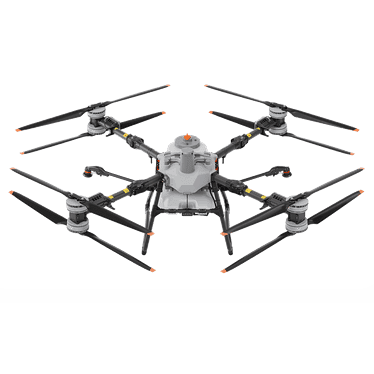
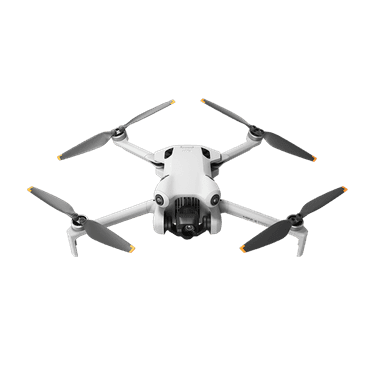
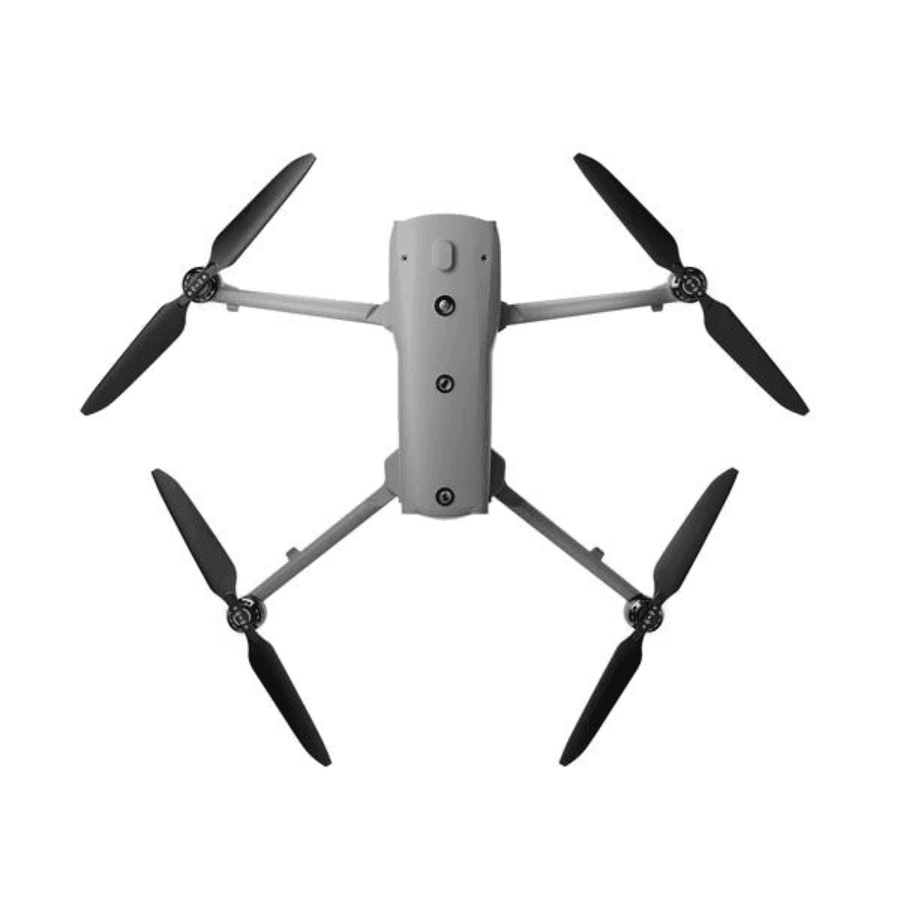
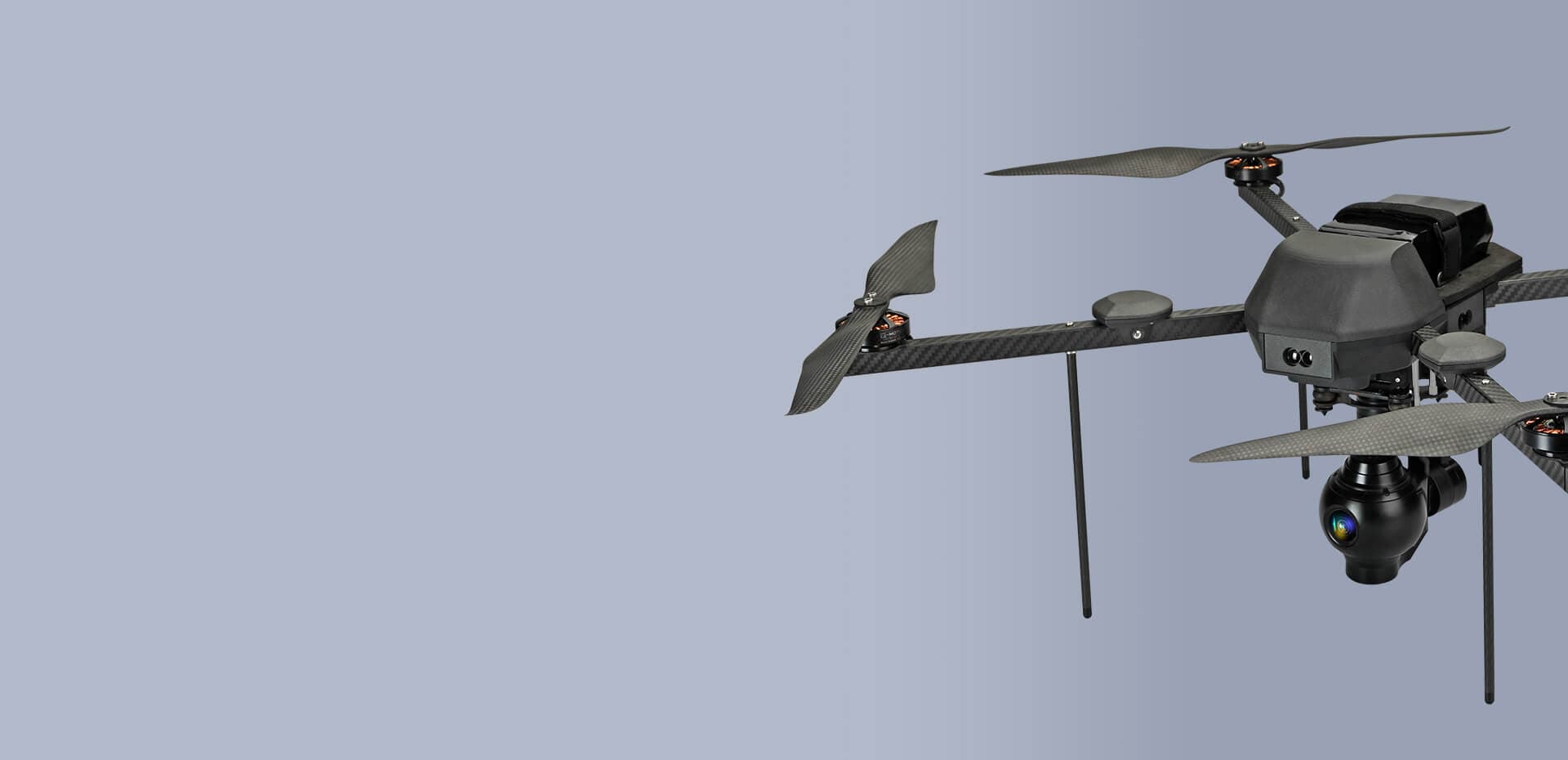
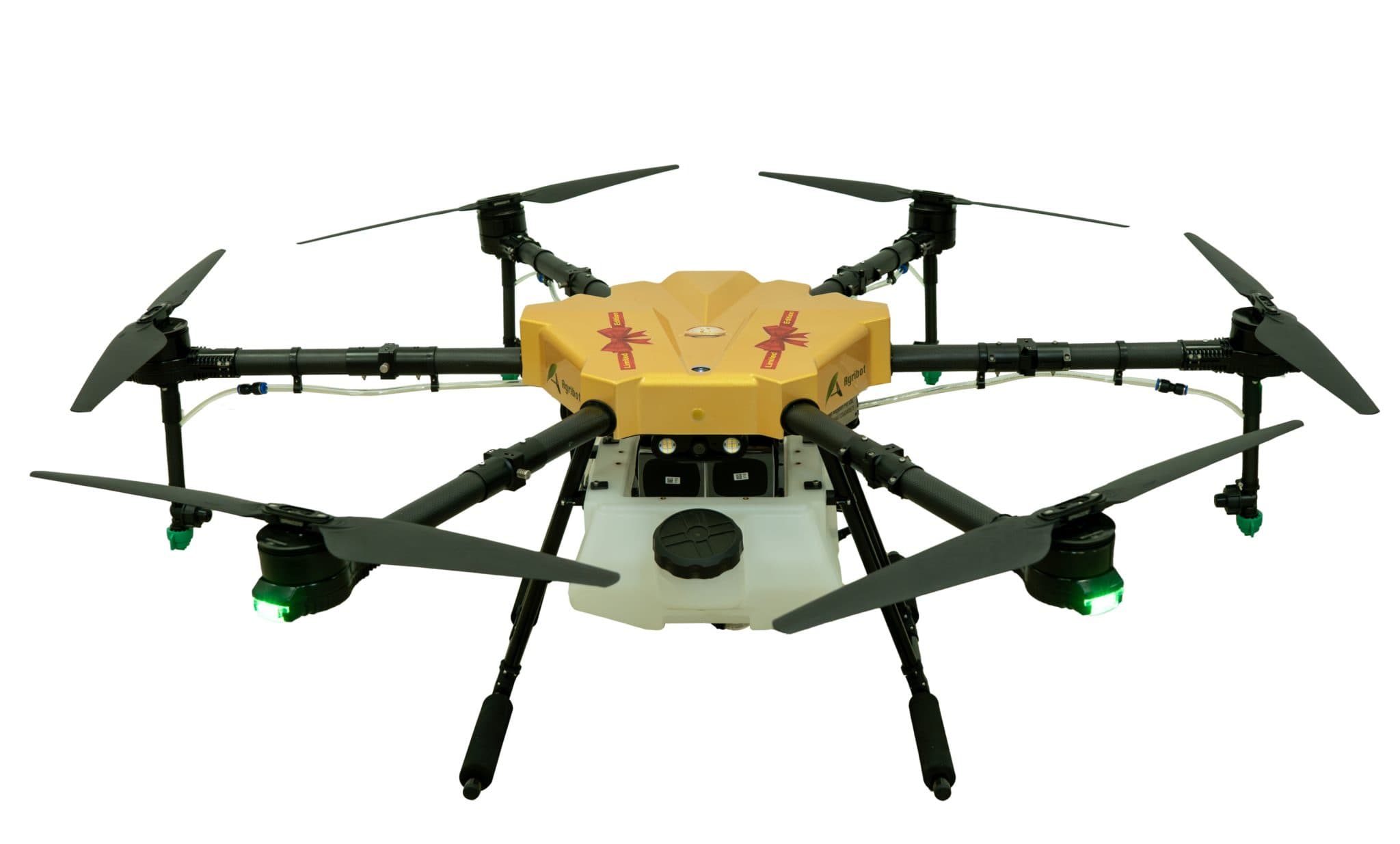
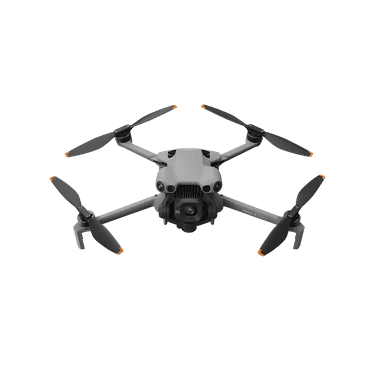
For Indian platforms such as the IoTechWorld Agribot A5, ideaForge Switch UAV or Asteria A200 XT, do not rely on nationality alone—ask for the exact current type certificate and UIN pathway. For foreign models such as the DJI Mini 4 Pro or Autel EVO Max 4T, add import provenance and the current non-TC registration suspension to the checklist.
Checked 27 July 2026 against the Gazette, DGFT and current DGCA notices.
Frequently asked questions
Does a sub-250 g drone need a UIN in India?
Yes, under the Drone Rules as written. Nano drones are exempt from type certification, the remote-pilot credential and third-party insurance, but not generally from Rule 14's UIN requirement. DGCA currently states that registration of non-type-certified UAS is temporarily suspended, so confirm the live eGCA path before buying an unregistered nano drone.
When do I need a Remote Pilot Certificate?
Nano operation and non-commercial micro operation are exempt. Commercial micro operation and operation of small, medium or large drones require the remote-pilot credential. The statutory issuance fee is ₹100, training fees are separate, and fresh RPC generation moved to eGCA in July 2025.
Can I import a DJI or Autel drone for personal use?
The ordinary answer is no. DGFT Notification 54/2015-20 prohibits complete drones in CBU, SKD and CKD form and has no general personal-courier or baggage exemption. Narrow R&D, defence and security categories require DGFT authorisation; components remain free.
Can I fly in a green zone without permission?
Rule 22 removes prior-permission requirements in the green zone, but it does not remove UIN, pilot, altitude, temporary-zone or other applicable requirements. Check the current Digital Sky map immediately before flying.
Did DGCA cancel every UIN registered as model RPAS?
No such blanket completed cancellation was announced in the cited notice. On 12 August 2025 DGCA initiated suspension or cancellation proceedings for false Form D-2 declarations and asked affected owners for invoices, DGFT permission, weight evidence and other records.